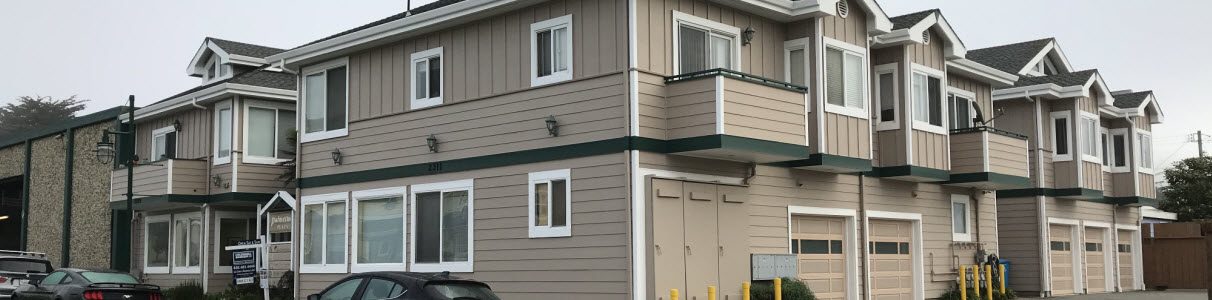
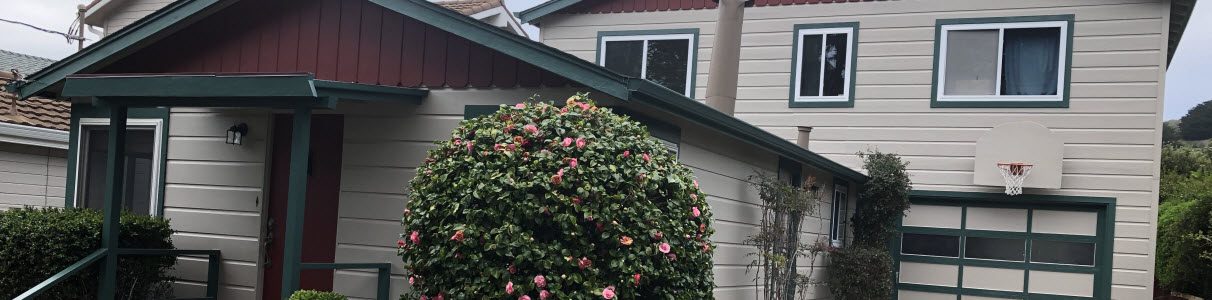


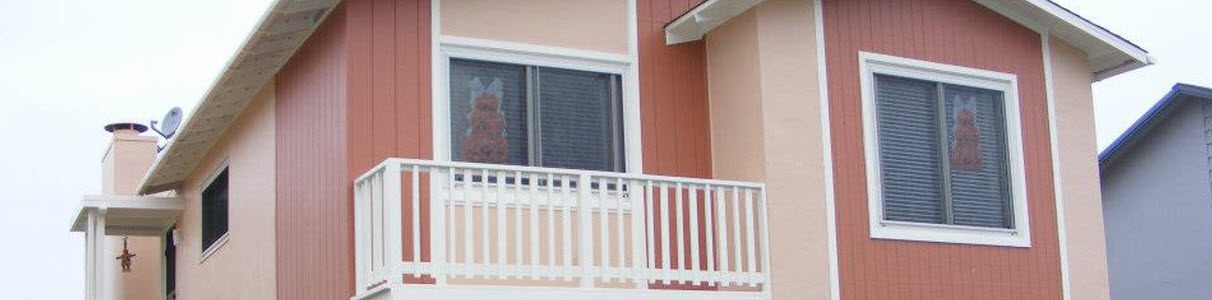
Exterior painting can significantly enhance the appearance of your home, but it’s essential to avoid common mistakes that can compromise the quality of the job. Whether you’re tackling the project yourself or hiring professionals, we at Pacific Coast Painting & Waterproofing would like to share common pitfalls to watch out for.
1) Skipping Surface Preparation
One of the most critical steps is preparing the surface before painting. Skipping this step can result in paint peeling, blistering, or cracking. Dirt, mildew, and loose paint must be removed to ensure the new coat adheres properly. Failing to do so leads to uneven coverage and poor paint longevity.
Solution: Clean surfaces thoroughly, remove dirt and mildew, and scrape away any loose paint. Priming bare wood or patched areas is also essential for a smooth finish.
2) Choosing the Wrong Paint Type
Not all paints are suitable for every surface. For example, wood paint may not adhere well to metal or masonry. Using the wrong paint can cause poor coverage and fading, while some paints may not withstand specific weather conditions.
Solution: Choose paint designed for the specific surface you’re working with (wood, masonry, metal, etc.). Also, opt for high-quality, durable exterior paints that are resistant to fading, mildew, and harsh weather.
3) Painting in Poor Weather Conditions
Weather affects how paint adheres and dries. Painting on hot days can cause the paint to dry too quickly, leading to streaks and uneven coverage. On cold or damp days, the paint may not dry properly, which can lead to smudging or peeling.
Solution: Paint on dry days with temperatures between 50°F and 85°F. Avoid painting if rain is expected within 24 hours to ensure proper drying.
4) Not Using Primer
Skipping the primer is a common mistake. Primer ensures better paint adhesion, smooths out imperfections, and helps with coverage, especially on raw wood or repaired areas.
Solution: Always apply primer, particularly on bare or patched surfaces. It will help the paint adhere better and reduce the number of coats needed for coverage.
5) Using Low-Quality Paint or Tools
Choosing cheap paint or tools may save money initially, but it can lead to poor coverage, fading, and additional coats. Low-quality brushes or rollers can also leave streaks or uneven textures.
Solution: Invest in high-quality paint from reputable brands and use good brushes and rollers. This ensures a smoother application and longer-lasting results.
6) Overloading the Brush or Roller
Overloading brushes or rollers with too much paint can lead to drips, streaks, and uneven application. While it may seem like a time-saver, it creates more work in the end.
Solution: Dip the brush or roller into the paint about a third of the way and remove any excess. Apply the paint in thin, even layers, and allow each coat to dry before applying another.
7). Neglecting Trim and Edges
Trim, doors, and edges often get overlooked, which can result in a sloppy, unfinished appearance. It’s important to take time and care in these areas.
Solution: Use painter’s tape to protect trim and edges before painting the larger surfaces. Carefully paint these areas with a smaller brush for a clean, crisp finish.
Residential & Commercial Exterior Painting Contractors in Burlingame, Pacifica, Daly City, Millbrae, San Mateo & Greater San Francisco, California
By avoiding these common exterior painting mistakes, you can achieve a professional-looking, long-lasting finish. Proper preparation, selecting the right materials, and taking your time will ensure your painting project is a success, providing a fresh look for your home for years to come. Call Pacific Coast Painting & Waterproofing to ensure quality exterior painting results.